

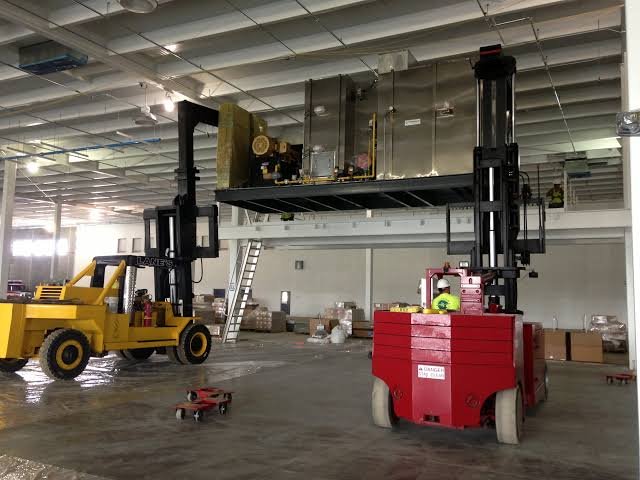
In industrial and manufacturing environments, operational efficiency plays a major role in determining productivity, profitability, and long-term business performance. Even a short interruption in production can create significant financial consequences. For this reason, relocating, dismantling, transporting, and reinstalling industrial machinery must be approached with careful planning and technical expertise. One of the best ways to do so is to seek out turnkey equipment relocation solutions.
Turnkey equipment relocation: A smart approach to industrial moves
Moving heavy or specialized equipment is not simply a matter of transporting machines from one location to another. It involves engineering considerations, skilled labor, safety procedures, logistics, scheduling, utility management, and precise coordination. When these elements are poorly organized, companies can experience extended downtime, equipment damage, unexpected costs, and disruptions to production. Turnkey equipment relocation solutions provide an effective way to manage these challenges through one coordinated service.
A complete plant or facility relocation can be an exceptionally complicated project. Every stage must be carefully organized, from evaluating the existing site and preparing equipment for removal to transporting machinery and bringing the new facility into operation. Businesses must also coordinate employees, contractors, transportation providers, rigging specialists, electricians, mechanical technicians, and other professionals. Managing each of these parties independently can place a considerable burden on internal teams. Even a minor scheduling problem with one contractor can affect several other stages of the project. This is one of the primary reasons companies turn to turnkey equipment relocation providers. Rather than relying on several independent vendors, a business can appoint one experienced provider to oversee the entire relocation process. The service can cover planning, dismantling, rigging, transportation, installation, utility connections, alignment, testing, and commissioning. Having one team responsible for the complete project creates a more organized workflow and reduces the communication gaps that commonly occur when multiple contractors are involved.
A unified relocation strategy can make project management considerably easier. With a single provider overseeing the work, responsibilities are clearly defined from the beginning. The relocation team can develop a schedule that connects each stage logically, ensuring that dismantling is completed before transportation begins and that installation is coordinated with site readiness. Electrical, mechanical, and other technical requirements can also be planned alongside equipment movement instead of being treated as separate activities. This integrated approach helps prevent scheduling conflicts and allows problems to be identified before they become major obstacles.
One of the greatest benefits of using a turnkey approach is the potential reduction in production downtime. Because one team controls the major stages of the relocation, the project can be organized around the company’s operational priorities. Instead of waiting for different contractors to complete their individual assignments, activities can be coordinated according to a single schedule. Faster transitions can help businesses resume production sooner and reduce the revenue impact associated with prolonged interruptions.
Turnkey relocation can also make financial planning more manageable. When services are coordinated through one provider, businesses can establish a clearer understanding of the overall project scope and associated costs. This can reduce the uncertainty created by separately negotiated services and unexpected coordination expenses. While the final cost will depend on the size, complexity, location, and equipment involved, centralized project management can make budgeting and cost control more straightforward.
