

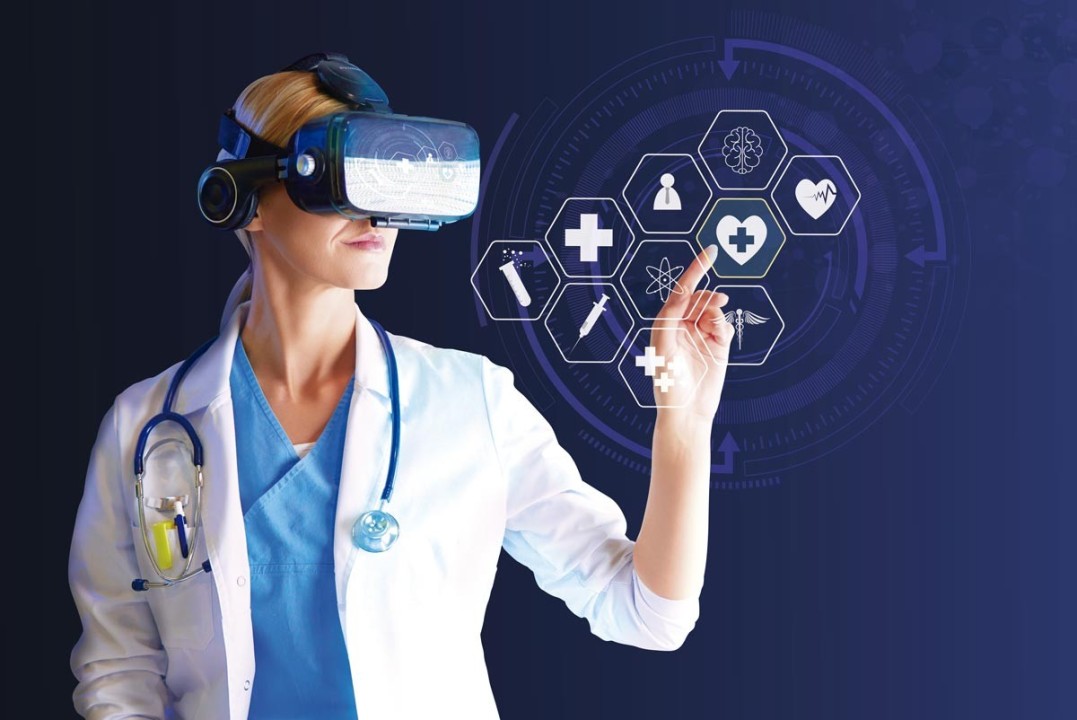
A simulation-based training platform is a comprehensive system that combines virtual reality, advanced motion tracking, and intelligent software to create realistic digital environments where users can safely develop high-level skills. These platforms allow trainees to practice procedures, improve decision-making, and build confidence through repetition without exposing people, equipment, or facilities to real-world danger. By blending immersive technology with practical training design, they provide a modern and highly effective approach to workforce readiness.
Features of Simulation-Based Training Platforms
Unlike traditional training setups that often require multiple vendors, disconnected tools, or complex installations, a well-developed simulation-based training platform is built as a complete solution. Hardware, software, scenario tools, and performance analytics are integrated into one unified system. This means organizations can deploy training faster, reduce setup challenges, and maintain consistency across teams. Instead of spending time connecting separate components, instructors can focus on delivering meaningful learning experiences from day one.
Another major advantage of simulation-based training platform is portability and independence. Many systems are designed to operate without needing a permanent internet or network connection. This makes them especially valuable in remote areas, secure facilities, field operations, or environments where connectivity is unreliable. Training can continue without interruption, giving organizations more control over scheduling and operational readiness. Whether used in a centralized training center or transported to different sites, the platform remains flexible and dependable.
The effectiveness of simulation training depends heavily on realism. Advanced platforms use next-generation head-mounted displays and powerful graphics systems to recreate environments with impressive detail. Users may find themselves inside industrial plants, urban streets, emergency response scenes, warehouses, offices, or other mission-specific locations that feel remarkably authentic. True spatial audio further strengthens immersion by allowing trainees to hear sounds from accurate directions, such as alarms, approaching vehicles, voices, or machinery. This sense of presence is more than visual appeal. It directly supports learning. When people feel immersed, they respond more naturally to pressure, distractions, and changing conditions. This helps build stress tolerance, situational awareness, and memory retention. Skills practiced in a realistic environment are more likely to transfer successfully into real-world performance because the experience feels closer to actual operations rather than abstract instruction.
One of the most valuable features of a modern simulation platform is custom scenario creation. Instead of relying only on fixed, preloaded exercises, trainers can build tailored experiences based on their organization’s needs. They may design new drills, recreate previous incidents, or simulate emerging threats and operational challenges. This gives instructors the freedom to create relevant content that aligns with current procedures, risk profiles, and team objectives. For example, a company can rehearse emergency evacuations, hazardous material responses, equipment failures, security incidents, or communication breakdowns. Public safety teams may focus on crisis intervention, crowd control, or de-escalation. Industrial organizations may train for lockout procedures, confined space events, or process disruptions. Because scenarios can be updated continuously, training remains current rather than becoming outdated over time.
As organizations face increasing complexity, tighter safety expectations, and the need for continuous readiness, simulation-based training platforms are becoming an essential investment
